
The Wrong Art World: On Misalignment in the Creative Economy

In 2023, art critic Ben Davis wrote a scathing review of Devon Rodriguez’s solo show, Underground. Rodriguez, who skyrocketed to fame via TikTok for his “speed-drawings” of subway passengers. He had sought the blessing of the traditional art world; instead, Davis dismissed the work1 for its lack of depth.
The fallout was vitriolic. Rodriguez’s millions of followers swarmed Davis2, defending their idol. But the controversy revealed a deeper truth: Rodriguez had confused his medium. Social media is his brush and not just a marketing tool. His art is the viral “act” of drawing, not the drawing itself. By seeking institutional validation for a commercial performance, he was playing a game whose rules he didn’t respect or understand.
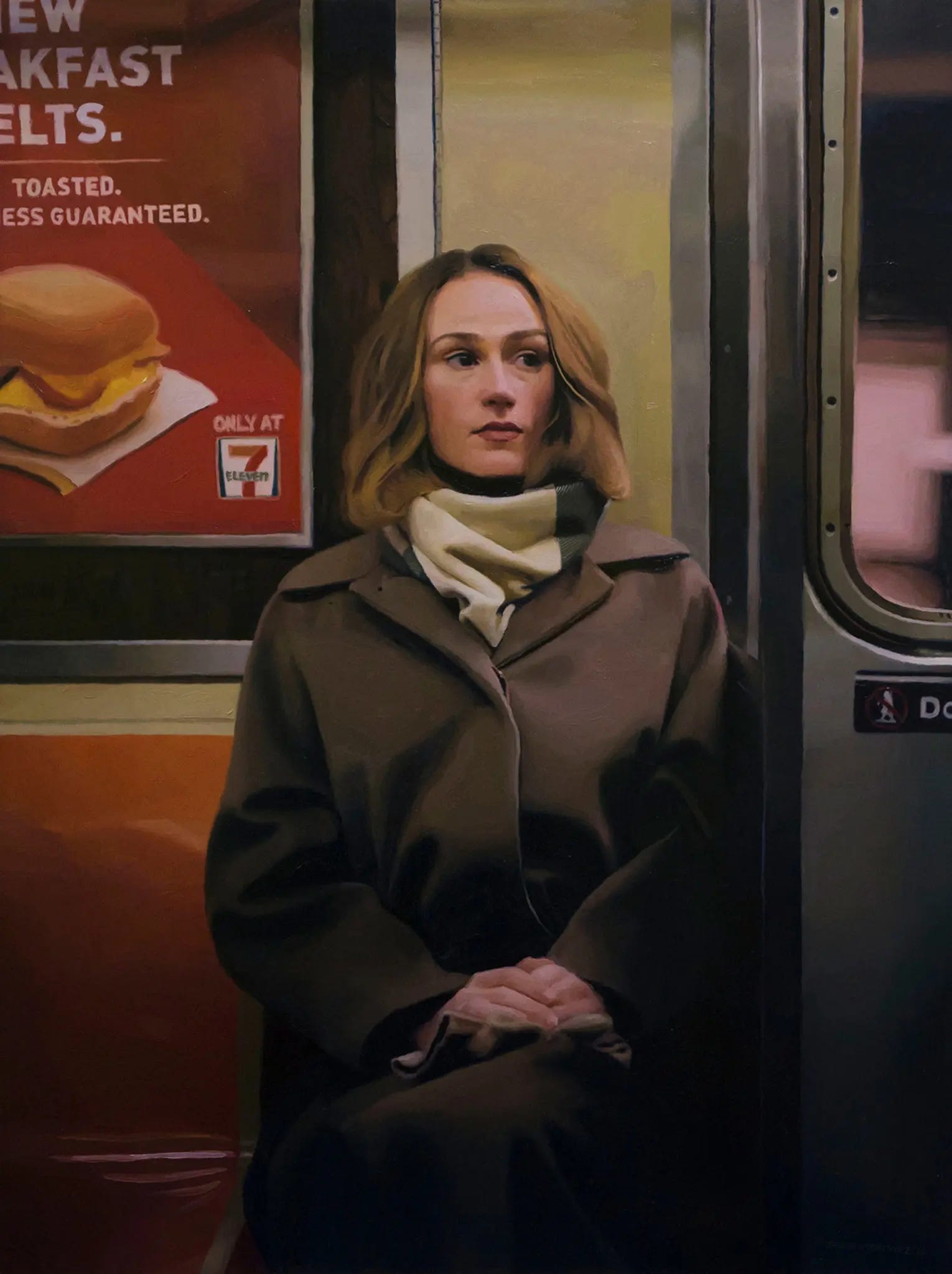
A useful counterpoint is CJ Hendry, whose practice also centers on hyperrealism but operates with a completely different kind of clarity.
Hendry has built a self-sustaining commercial ecosystem: high-volume sales, controlled releases, and a direct relationship with her audience. She has never meaningfully pursued institutional validation, and as a result, has largely avoided the friction that comes with it. The art world’s relative silence around her work is not a rejection so much as a lack of engagement.
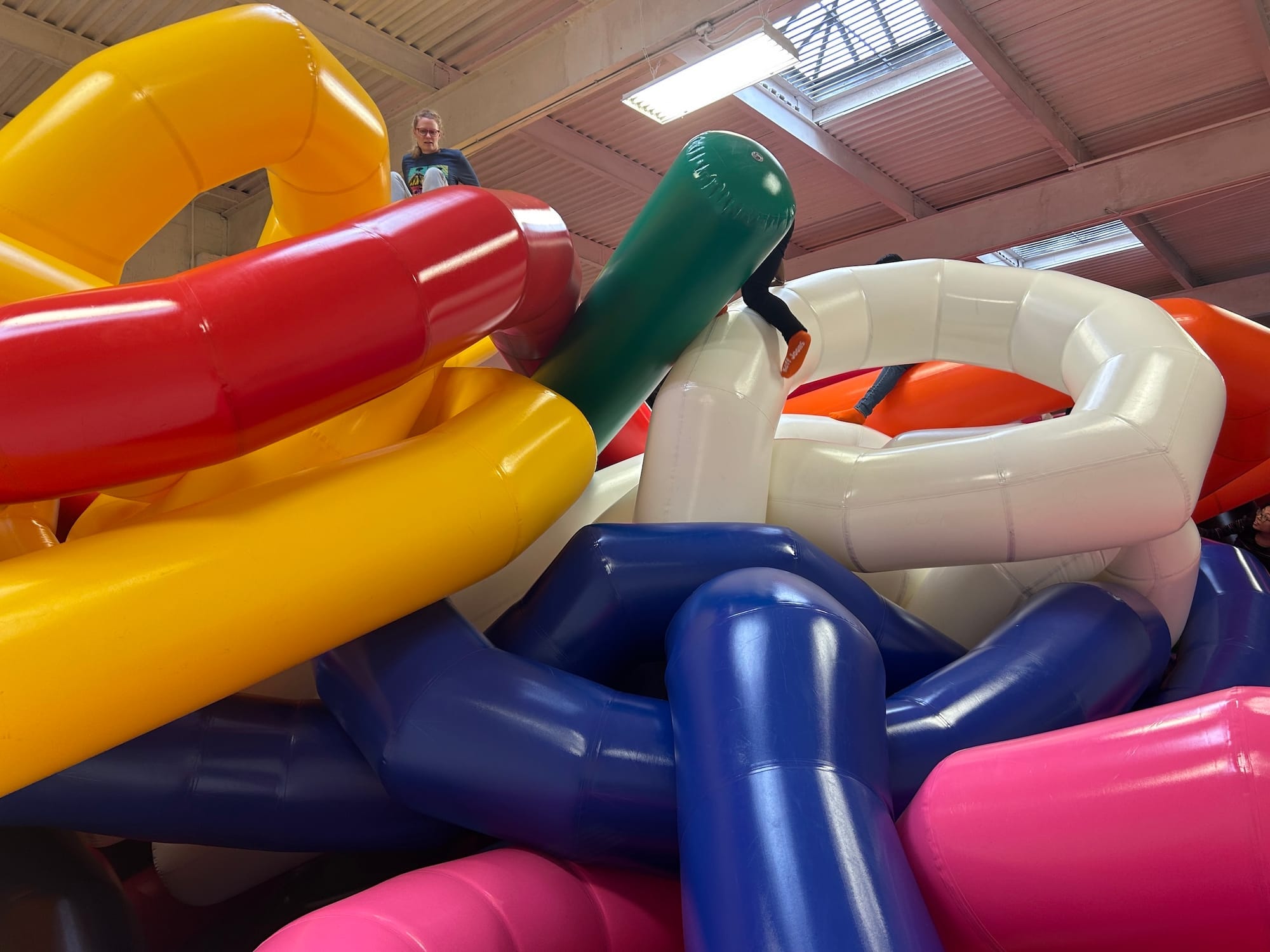
What makes her compelling is not just her success, but her alignment. She understands the rules of the world she operates in and has no interest in translating her work into another system’s language. Even her satirical project, Keff Joons3, signals self-awareness about the institutional art world without seeking its approval.
The contrast with Rodriguez is subtle but important: where he appears to seek validation across systems, Hendry has chosen one and committed to it fully.
The danger isn’t being “too conceptual” or “too photorealistic.” Both positions can produce meaningful work. The real problem emerges when artists expect the rewards of one system while operating within another.
Critics function within an institutional framework that values context, interpretation, and historical dialogue. Markets, especially social media-driven ones, reward accessibility, repetition, and emotional immediacy. These are not opposing forces, but they are not necessarily interchangeable.
Tension between artistic intent and economic reality is inevitable, and often productive. But when that tension remains unexamined, when it sits in the blind spot, it becomes paralyzing. You either struggle to sell because the work resists simplification, or struggle to gain critical recognition because the work is optimized for replication and scale.
This is where KAWS becomes important as a translator between systems.
KAWS’s work moves fluidly between commercial and institutional spaces, but not by accident. His visual language draws on mass culture, such as animation, branding, and consumer objects, while still allowing critics to situate it within a broader art-historical context. This dual legibility is what makes his work durable across audiences.
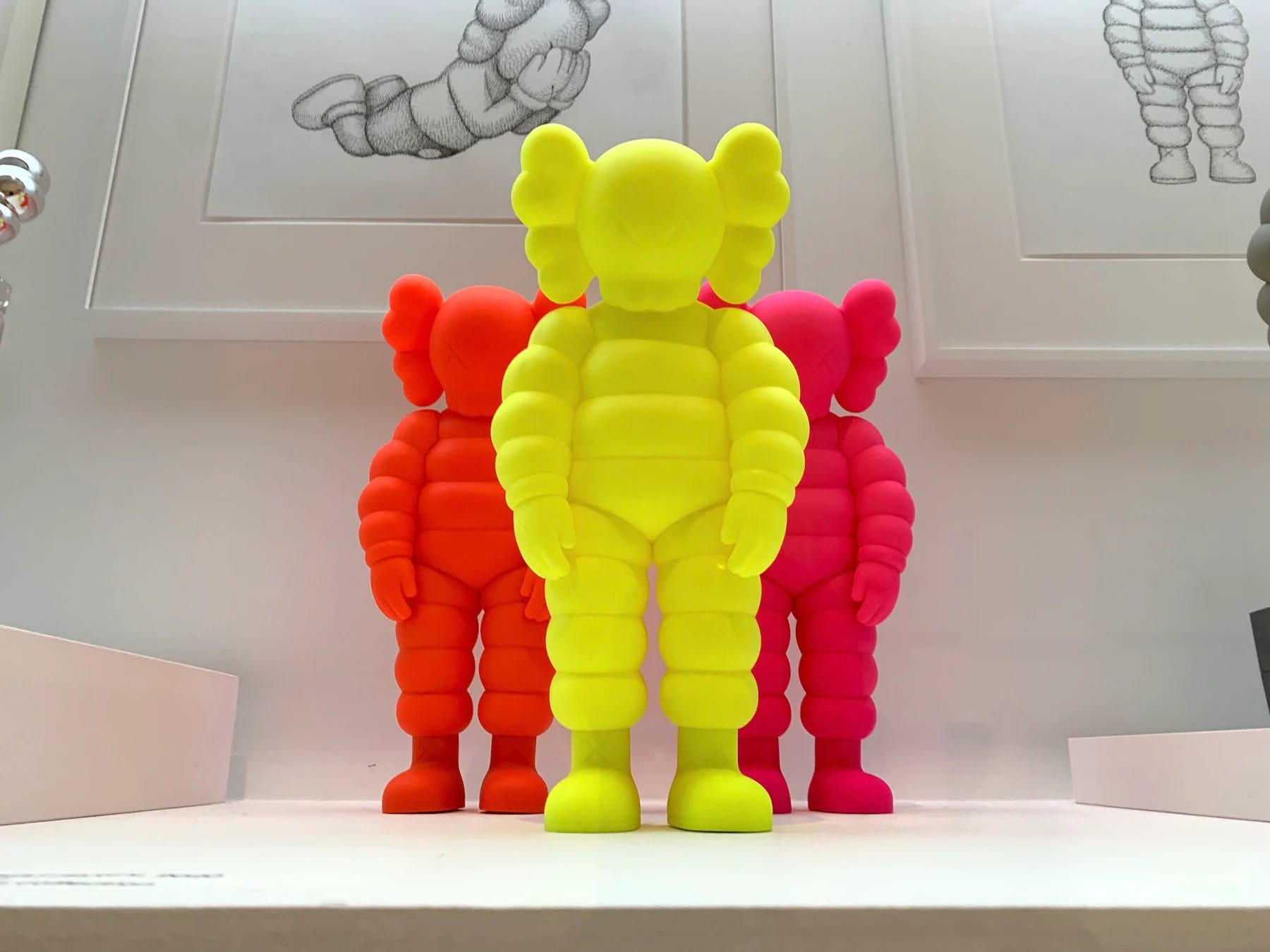
Even when critics are skeptical, as Davis was in his review4 of KAWS’s Brooklyn Museum show, the work is still engaged on institutional terms. It can be placed, debated, and critiqued within the canon. That alone marks a significant difference.
Bridging worlds is not just about visibility in both; it requires an ability to translate meaning across them.
How This Applies To Us Mortals
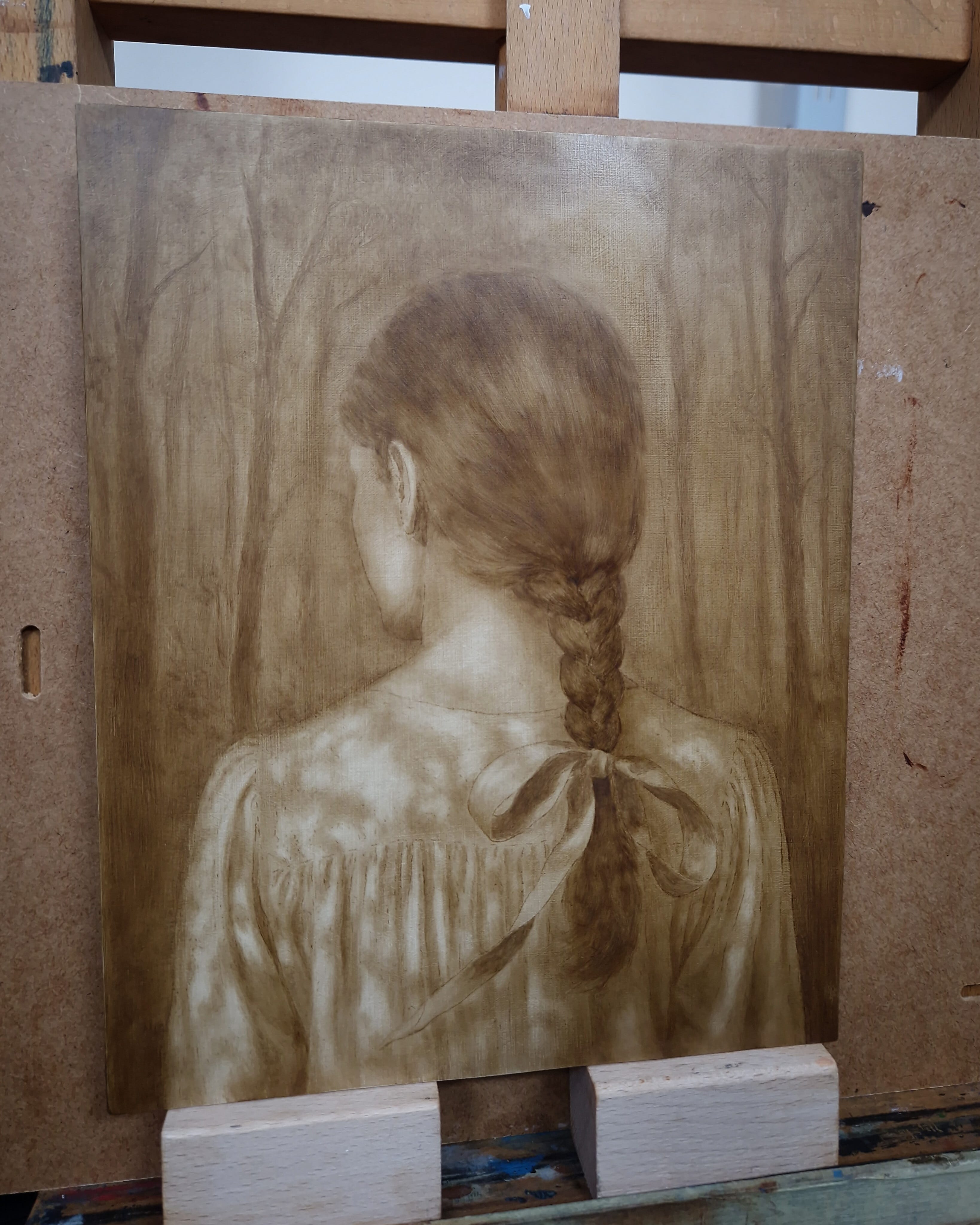
For a long time, I thought my struggles were a reflection of personal shortcomings, that I wasn’t business-savvy enough, or adaptable enough to sustain a creative career. But what I was actually experiencing was misalignment.
I was trying to operate within commercial structures that rewarded skills I neither enjoyed nor excelled at: constant production, salesmanship, and the execution of predefined outcomes. At the same time, the aspects of my practice that came most naturally, like conceptual thinking, scale as a form of presence, and a desire to engage with broader cultural narratives, were being sidelined.
I don’t want to produce work that is simply beautiful, photorealistic, or immediately legible. I want it to ask questions, to exist in dialogue with history, and to challenge inherited ideas of visibility and value, especially as an immigrant woman navigating systems that were not built with me in mind.
The difficulty was never a lack of ability. It was that I was measuring myself against a system that does not reward what I am actually trying to do.
Sustainability, then, is not about fixing weaknesses to fit a market. It is about recognizing which system your strengths belong to and committing to it. If you are a Rodriguez chasing institutional love, or a Thinker chasing a viral commercial sell-out, you will be perpetually unhappy.
What type of artist are you?
Performance-focused (Rodriguez): Does your art live in the act of creation?
Experience-focused (Hendry): Does your art live in the spectacle of the space?
System-focused (KAWS): Does your art live in the bridge between retail and history?
Concept-focused (The Thinker): Does your art live in the dialogue and the meaning?
Conclusion
The creative economy rewards alignment first and then the talent that comes with it.
Artists like Devon Rodriguez, CJ Hendry, and KAWS are not just different in style; they are operating in entirely different systems of value. Each system has its own metrics, gatekeepers, and definition of success.
The problem begins when we internalize one system’s expectations while building within another.
There is no failure in choosing the wrong system. The failure is in not recognizing that you have a choice.
Because once you understand where your work truly lives, whether in performance, spectacle, discourse, or translation, you stop asking it to be something it is not.
And that is when the work stops feeling like resistance and starts becoming a practice.
wow. This is really smart and analytical in a bifurcated (or is it tri-furcated?) art world. So much it gave me to think about and reflect upon. Yeah, it kinda pisses me off too. Not what you wrote but the truths you reveal. I know it’s a fantasy but I just wish the art world was a friendlier place that didn’t exist at two opposite extremes— doing anything to appeal to eyeballs and going all elite and sucking up to the annoying powers that be in the art world. But in the end i think it really gave me a better to think about my own art in a smarter way. THx shagun.
This put words to what I’ve been experiencing, as a midlife emerging artist lacking an academic background/traditional path, who is developing thoughtful, more conceptual-leaning work. Much of the commercial art advice for marketing feels misaligned. I do think I’m probably one of those bridge types, which leaves me wondering what on earth is the aligned approach for growth and sustainable practice for us either or/neither nor types? My work definitely flopped in the Etsy setting, but I lack desire (and validity really) to go into the deep dark hierarchies of the traditional art world.
Thank you for naming all of this. It’s clarifying and helping me ponder next steps differently.